







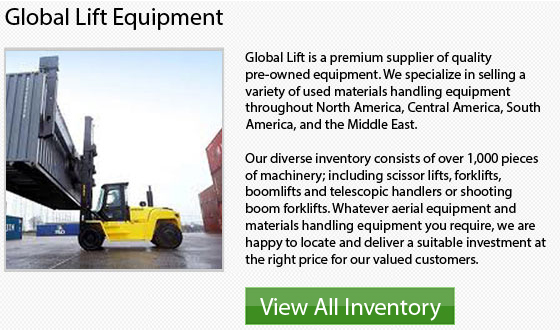
Internal Combustion Lift Trucks
IC lift trucks are members of classes V and IV. Usually, they are offered in gas, diesel or liquid propane models. Primarily, the ICE or also referred to as internal combustion engine models are utilized outside, since they produce some emissions and can operate in rough weather. Propane-powered units, on the other hand, could be utilized indoors so long as proper ventilation is utilized. It is better to know what kinds of environments you would be operating in and what specific requirements you have to use the forklift for, to be able to make certain that you select the right model to suit all of your requirements.
ICE Benefits
Several of the advantages of internal combustion engines include a lower initial purchase price, compared to a similar capacity electric truck. This could range anywhere from 20% to 40% lower. The ICE models are simple and fast to refuel. This feature really reduces downtime since there is no need to recharge any batteries, as there is with electric units.
Most often, Internal Combustion Engine models provide higher performance capabilities compared to the similarly equipped electric truck. The heavier capacity is often available in these models compared to electric trucks. Over recent years, there have been numerous advancements regarding emissions technology and this has resulted in lower total emission levels. ICE trucks remain popular with load sizes approximately 8000 lbs. and even much higher in specific operations such as steel manufacturing facilities, ports and lumberyard settings.
ICE Drawbacks
There are a few drawbacks to the ICE units. For example, they use a higher cost-per-hour to operate as compared to electric trucks. This is mainly due to maintenance costs and fuel. In addition, these models normally produce more noise than the electric models since they run louder. Internal Combustion Engine trucks also have fuel-storage requirements to take into consideration as well.