







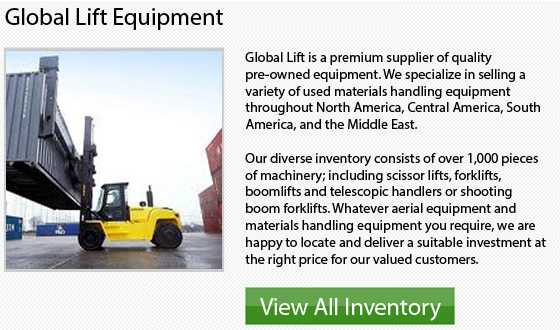
Forklifts are designed to lift and carry loads on forks that are situated in the front of the carrier. The forks point away from the equipment's cab. The cargo can sometimes block the field of vision of the operator. For this specific situation, lift trucks have rear control steering to allow the unit to be driven backwards whilst carrying cargo.
The front wheels of the forklift bear the burden of the machinery's load. There are 2 forks that stick out from the forklift's front. These forks can be raised and lowered. Additionally, the forks are capable of being tilted upwards or downwards as per the requirement.
The forklifts movements are the result of hydraulic cylinders which apply pressure on the bar that pulls or slackens the roller chains. When a lift truck is loaded, the front wheels take on all of the weight. The counterweight on board will balance the weight of the forklift itself. This is very essential or else the machine will tip over.
Why use Propane for Forklifts?
Propane forklifts have on-board tanks that hold the propane fuel. These tanks have enough propane gas to enable the machine to operate approximately 8 hours. When empty, these tanks could be easily removed and replaced or taken to a facility to be refilled.
It is essential to note that in the case of CNG-powered forklifts, replenishing CNG consumes more time and this time has to be taken into consideration. Liquid LPG or propane gas engines work at a lower temperature than CNG. In case of electric-powered lift trucks, it is necessary to allow the batteries time to cool down and then to recharge. This process could take about 8 to 9 hours. Once charged, the batteries last roughly 3 to 6 hours, which depends on the heaviness of the loads being handled and how the machinery is used. Like for example, a 33 lb. steel tank could hold approximately 8 gallons of propane; this amount of fuel must be enough to finish a task and probably much more.
There are many different forklifts and fuel sources to operate different models. It is best to determine the type of working environment you will be operating in, whether inside or outside, along with the specific applications you would be utilizing the machinery for. When you take time to figure out the specifics of your particular requirements, you could choose a forklift that will provide you with maximum efficiency and accomplish its duties.