




Typically the base which is bolted into a big concrete pad provides the necessary support for a tower crane. The base is connected to a mast or a tower and stabilizes the crane which is connected to the inside of the building's structure. Usually, this attachment point is to a concrete lift or to an elevator shaft.
Generally, the mast is a triangulated lattice structure measuring 0.9m2 or 10 feet square. The slewing unit is connected to the very top of the mast. The slewing unit consists of a motor and a gear which enable the crane to rotate.
Tower cranes may have a max unsupported height of 80m or 265 feet, while the minimum lifting capacity of a tower crane is 16,642 kilograms or 39,690 pounds with counter weights of 20 tons. Moreover, two limit switches are utilized in order to ensure the operator does not overload the crane. There is even one more safety feature referred to as a load moment switch to ensure that the operator does not exceed the ton meter load rating. Last of all, the tower crane has a maximum reach of 230 feet or 70 meters.
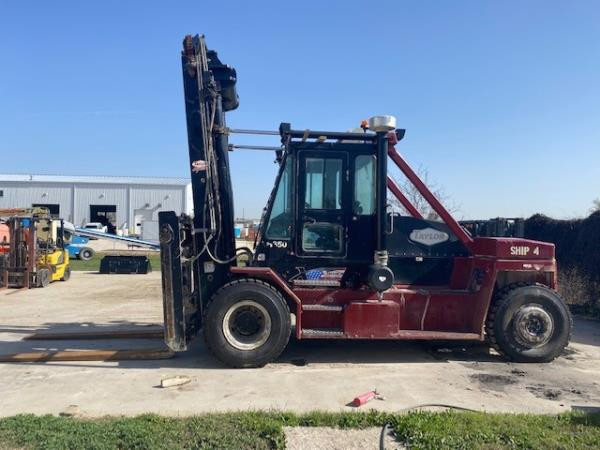
There is certainly a science involved with erecting a tower crane, particularly due to their extreme heights. First, the stationary structure has to be brought to the construction site by utilizing a large tractor-trailer rig setup. Then, a mobile crane is utilized in order to assemble the machinery part of the jib and the crane. These parts are then connected to the mast. Next, the mobile crane adds counterweights. Forklifts and crawler cranes can be some of the other industrial equipment which is typically utilized to erect a crane.
When the building is erected, mast extensions are added to the crane. This is how the crane's height can match the building's height. The crane crew utilizes what is referred to as a climbing frame or a top climber that fits between the slewing unit and the top of the mast. A weight is hung on the jib by the work crew so as to balance the counterweight. Once complete, the slewing unit can detach from the top of the mast. In the top climber, hydraulic rams are used to adjust the slewing unit up an extra 20 feet or 6.1m. Then, the operator of the crane uses the crane to insert and bolt into place one more mast part piece.