







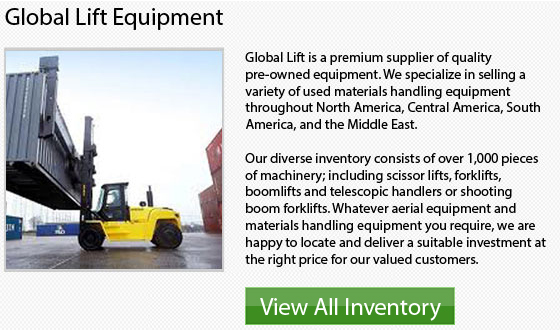
Around 60 percent of the forklift market is made up by electric forklift models. These units derive their power from heavy, large lead-acid batteries that which prevents the machine from tipping over since it gives it the counterweight.
Based on ITA, electric counterbalanced lift trucks are considered Class 1 forklifts. Class 1 is the category that covers all stand-up counterbalanced trucks and other electric forklifts. Although the first investment when purchasing an electric forklift is more than an IC or internal combustion lift truck, electric forklifts are much less expensive to operate and run in the long-run. This is because of lesser fuel and maintenance costs, in comparison to the internal combustion models.
In North America, most electric rider forklifts are made for transporting materials indoors. Electric rider lift trucks are used most commonly in warehousing applications, and retail spaces. The electric models are the right choice for inside applications because of their ability to emit zero toxic emissions and make less noise.
Additionally, electric lift truck can usually run a complete 8 hour shift on a single battery charge. Recharging, reloading and removing batteries, that generally weigh approximately 3000 pounds can be time consuming and hard. This cumbersome job normally requires a dedicated area for handling the battery. Nevertheless, new fast charging technologies are now used to change the procedure and update this process to be able to accomplish it in a much quicker method.
This fast charging technology is considered to be better charging technology. It has revolutionized electric model lift trucks and the time it takes to charge their batteries. The experts of the material handling business, state that these new changes in the battery technology and battery charging systems can cut charging time by as much as 50%!
Internal Combustion Counterbalanced Lift Trucks
IC forklifts rely on a variety of different kinds of fuels, such as liquid propane gas or LPG, diesel, compressed natural gas or CNG and gasoline. The bigger forklifts are usually used outside. Usually, these units are diesel or gas powered and utilizes pneumatic or air-filled tires in order to make them appropriate for rough environment and steep inclines, as opposed to cushion tires. Cushion tires are better suited for smooth services and indoor applications as they are made from solid rubber.
The most common fuel choice for indoor trucks is LPG. There are over 600,000 propane-filled lift trucks nowadays which are operating within DCs and within warehouses. These units provide a wide variety of benefits. For example, propane-fueled lift trucks maintain 100 percent constant power during operation. Furthermore, these models offer faster ground speeds compared to other power sources.