


Forklift Safety and Forklift Training:
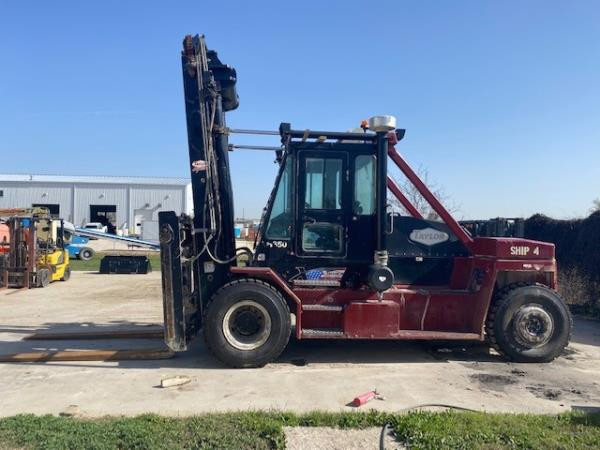
Forklift safety training is the responsibility of the employer. It is in the best interest of the employer to spend some money on forklift training for all the workers. Improperly used forklifts could cause property damage. Companies can be sued if there are injuries. It's worthwhile to make certain that anyone using a forklift is correctly trained to do so.
In order to make sure that forklift operation is safe, a forklift training course must be attended by every employee.
All staff must be aware of forklift basics. Information regarding safety should be provided in the form of handouts, and posted in posters and warning signs. The following are some essential forklift training and safety tips:
1) An employee could only use a forklift if he or she is licensed. Never take risks with such large equipment. Forklift training should be taken really seriously.
2) Seat belts must always be utilized by forklift operators. Just because the forklift moves slowly doesn't mean that seat belts could be ignored. Accidents are less likely to result in personal injuries when seat belts are worn.
3) A system wherein workers report instances of damage or mechanical problems should be established. As the employer, you need to create an effective and efficient reporting system that is easy to figure out. Staff must be correctly trained in forklift basics so that they could detect and report problems when they arise.
4) Employees should be trained how to lean away from the turn, and stay in the cab even if there is risk of overturning. Employees must not jump out. That's the best way to avoid serious injury.
5) Staff have to be trained to know a forklift's weight capacity limit. A major cause of forklift mishaps is related to tip overs caused by lifting too big a load. Staff must be well aware of how much they could carry safely. A tip over can damage the whole forklift. Overloading is the biggest safety blunder an employee could make.